MJD Deeply Engage in the Pilates Field
+86 133 5442 1386

Jun. 15, 2026
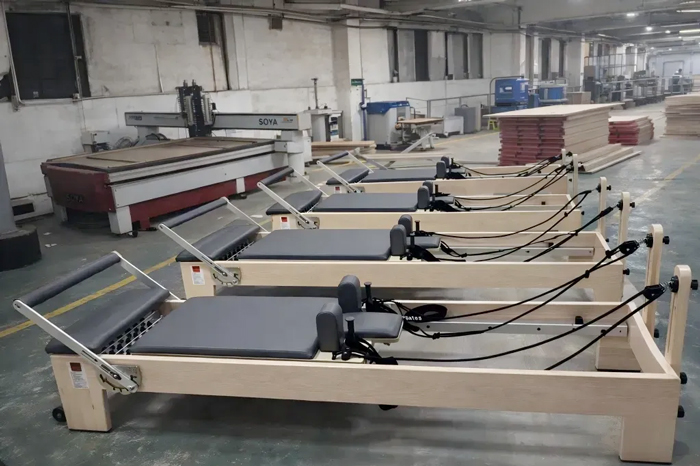
Importing professional Pilates equipment can be a transformative step for your business; however, navigating the process requires a strategic approach. While many studio owners and international distributors hesitate due to perceived language barriers or distance, the benefits of sourcing directly from the world's manufacturing hub—China—are substantial.
China is home to specialized factories that produce high-end commercial wooden Pilates reformers at competitive prices, offering studio chains and wholesale buyers a significant competitive edge in the U.S., U.K., and Australian markets. Direct factory sourcing eliminates middlemen, allowing for stronger margins and scalable growth.
Success in this venture requires managing long-distance relationships, understanding international logistics, and handling customs clearance. Here are the top 10 tips to ensure your importation process is successful and profitable.
1. Define Your Import Objectives & Market Tier
Before contacting a factory, define your business strategy.
For Studio Owners: Focus on "Boutique-Grade" aesthetics and mechanical durability that match your studio branding.
For Distributors: Prioritize OEM/Private Label capabilities and tiered pricing structures that allow for sustainable resale margins.
Strategic Blueprint: Understanding whether you are selling to end-users or other retailers acts as a blueprint for your entire sourcing process.
2. Identify a Genuine Manufacturer vs. Trading Company
Accessing the best deals requires importing directly from the factory.
Direct Sourcing: Working with a genuine manufacturer allows you to access products at a lower price point and ensures quality control.
Technical Verification: Confirm the factory possesses kiln-drying facilities for wood and CNC machining centers for rail precision.
3. Negotiate for Value and Scalability
Negotiating the right deal is determined by the strength of the connection you build with the factory.
B2B Relationships: Understand the priorities of your supplier to build a long-term partnership rather than a one-time transaction.
Wholesale Margins: For distributors, negotiate tiered pricing based on volume (FCL vs. LCL) to protect your profit margins.
4. Establish an Ambiguous-Free Contract
Professional Chinese manufacturers value clear, detailed contracts.
Eliminate Misunderstanding: The contract should set out specific payment milestones and delivery models based on international commercial terms.
Technical Specs: For commercial buyers, include specific tolerances for rail alignment and spring fatigue life (e.g., 500,000+ cycles).
Fraud Prevention: A clear legal agreement protects you from fraudulent suppliers and ensures accountability.
5. Strategize Transportation & Logistics
Moving heavy, oversized wooden reformers requires a clear logistical infrastructure.
Sea Freight: Most distributors prefer shipping by sea as it is the most affordable method for bulk reformer orders.
Protective Packaging: Ensure the use of reinforced wooden crates to prevent warping or damage during long-distance sea transit.
6. Declare Your Imports & Manage Compliance
Import procedures depend on your geographical location and must be declared correctly.
Regional Requirements: In the E.U., imports must be declared to HM Revenue & Customs using the Single Administrative Document.
Compliance Labels: Ensure products meet local standards, such as CE (Europe) or Prop 65 (California), to avoid legal complications.
7. Calculate Total Landed Cost (Taxes & Duties)
The true cost of your equipment isn't the factory price; it's the landed cost.
Duty & VAT: Establish the exact amount of VAT and import duties you will pay in your country.
Pricing Strategy: For both studios and wholesalers, your final resale or session pricing must account for all transportation and tax expenses to ensure profitability.
8. Secure All Necessary Legal Documentation
Every country has different ways of controlling fitness equipment manufactured in China.
Import Licenses: Research if your state or country requires a specific license for importing commercial exercise machines.
Verification: Ensure you have all legal documents ready to facilitate a smooth customs clearance process and avoid port storage fees.
9. Utilize Precise Commodity (HS) Codes
Using the correct commodity code is vital for tax accuracy in Western markets.
European Market: E.U. region distributors typically require a ten-digit number for all reformer imports from China.
Duty Accuracy: Correct coding prevents you from overpaying duties or facing customs audits.
10. Familiarize Yourself with Regional Trade Tariffs
Understand the trade tariffs and VAT obligations within your region before placing an order. This familiarity helps you manage your cash flow and understand the total investment required to get the reformers to your door.


